
Cupping Therapy: A Unique Approach To Muscle Relaxation
By: Dao Yi Wellness
Tight shoulders, stubborn low back tension, calves that feel like they’re made of recycled hockey pucks—muscle tightness is practically a modern hobby.
Cupping therapy has become a popular option for people looking for a different kind of relief, especially when stretching and massage only get them halfway there.
Cupping is often described as “the reverse of massage.”
Instead of pressing down into tissue, it uses suction to gently lift the skin and underlying layers.
Some people report feeling looser, lighter, and more mobile right after a session—while others mainly notice reduced pain or improved range of motion for a short period.
This guide breaks down what cupping therapy is, how it may support muscle relaxation, what the research says, what to expect in a session, and how to stay safe.
What Is Cupping Therapy
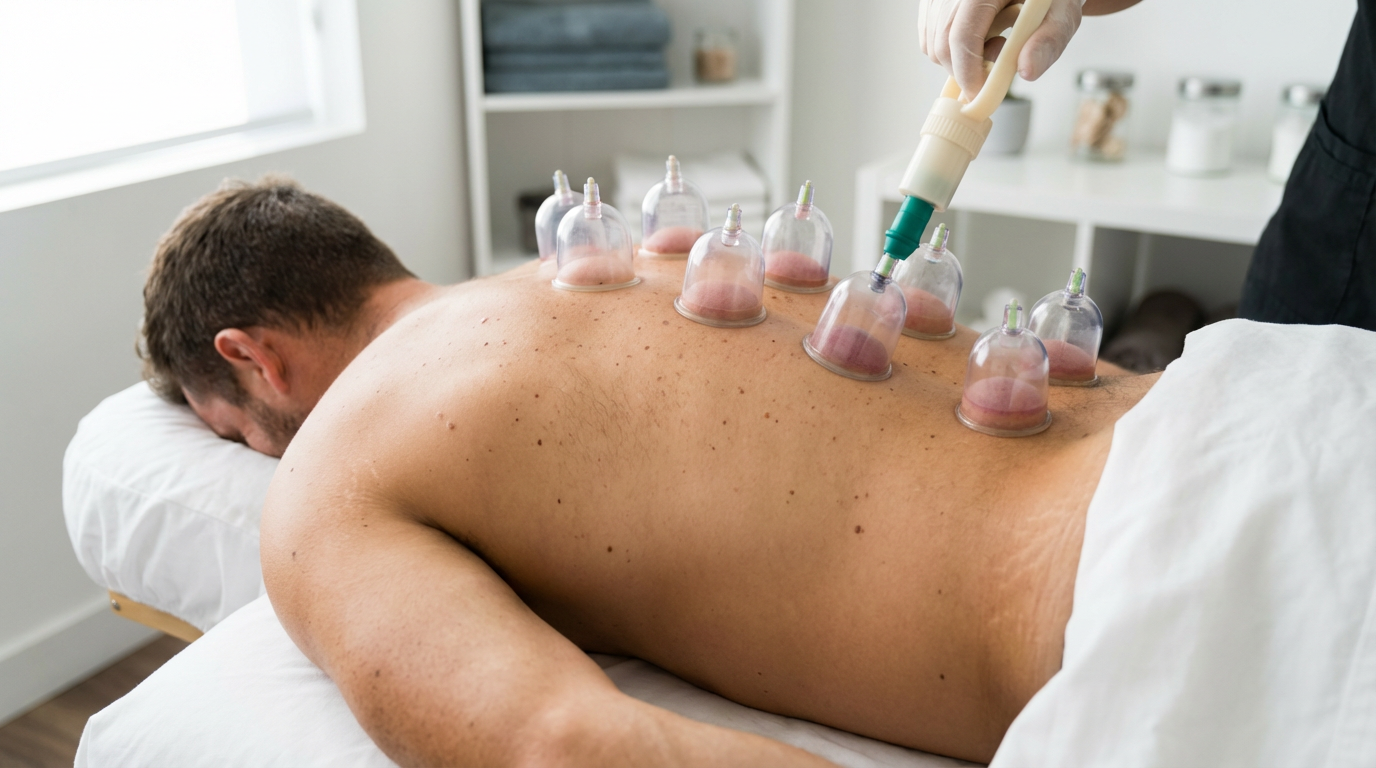
Cupping therapy is a technique where a practitioner places cups on the skin and creates suction. The suction can be created using a manual pump (common in modern clinics) or heat (often called fire cupping).
Many clinics focus on dry cupping, which involves suction only. Wet cupping involves small skin incisions and is a different category of risk and hygiene considerations.
Health organizations that review complementary therapies note that cupping typically leaves temporary marks and can have side effects, especially if performed improperly.
Why Muscles Get Tight
Muscle tightness is not always a “short muscle” problem. Often, it’s a nervous system and workload problem.
Common drivers include:
- Prolonged sitting and posture stress (think: keyboard shoulders and forward head posture)
- Overuse and training spikes (adding volume or intensity too fast)
- Protective muscle guarding after a strain or irritation
- Stress and poor sleep, which can increase muscle tone and sensitivity
- Fascial and trigger-point sensitivity, where certain spots feel dense or tender and restrict comfortable movement
When you feel tight, you’re usually dealing with a mix of tissue sensitivity, local irritation, and the brain’s perception of threat. That’s why the best approaches combine short-term symptom relief with long-term capacity building (strength, mobility, and better load management).
How Cupping May Support Muscle Relaxation
Cupping is often used for relaxation and mobility because it creates a decompressive, lifting force rather than compression.
Decompression Instead Of Compression
Massage and foam rolling press into tissue. Cupping gently pulls upward. For some people, that feels like a “space-making” effect—less pressure, less guarding, easier motion.
Local Tissue Effects
Cupping changes the mechanical environment at the skin and superficial tissue layers. Research summaries describe cupping as a technique that may influence pain and circulation-related responses, though the exact mechanism and how much it matters clinically is still debated.
Nervous System Downshift
A big part of muscle relaxation is nervous system tone. Many people report cupping feels calming—similar to how massage can reduce perceived stress and help the body “let go” temporarily. Even when the mechanism is not fully settled, the felt experience can be meaningful as part of an overall recovery plan.
Movement Plus Cupping
Some practitioners use “moving cupping” (sliding a cup over tissue with oil) or pair static cups with gentle active movement. The goal is often improved mobility and reduced guarding, especially in areas like the upper back, shoulders, and hips.
What The Research Says About Cupping For Musculoskeletal Pain And Function
Here’s the honest, useful version: cupping looks promising for short-term pain relief in some musculoskeletal conditions, but results vary and research quality isn’t perfect.
- A systematic review and meta-analysis in BMJ Open (2025) reported that cupping therapy may reduce pain intensity in chronic musculoskeletal pain, with effects that appear most notable in the short term, while improvements in disability/function were less consistent.
- A 2024 evidence review on low back pain reported high- to moderate-quality evidence across included studies that cupping can improve pain and disability outcomes in low back pain management.
- A 2025 systematic review discussing pain-relief outcomes concluded cupping may help pain and quality of life, but emphasized that the supporting evidence quality is often low and varies by condition and study design.
What this means in real life:
- If you’re seeking muscle relaxation and symptom relief, cupping may be worth a trial—especially when tightness is paired with pain and restricted motion.
- If you’re trying to “fix” a long-term issue permanently, cupping is usually best viewed as an adjunct, not a standalone cure.
Who Might Benefit Most From Cupping Therapy
Cupping is commonly used by people who feel “stuck” in tightness cycles, such as:
Desk Workers With Neck And Shoulder Tension
Upper traps and mid-back stiffness are common in computer-heavy routines. Cupping is frequently applied to the upper back and shoulders to reduce perceived tension and tenderness.
People With Low Back Discomfort
Low back pain is one of the most researched areas for cupping compared to other pain conditions, with multiple reviews suggesting benefits for pain and disability in some cases.
Athletes And Active People Managing Training Fatigue
Athletes often use cupping as part of recovery, especially in-season when the goal is faster symptom control so they can keep training. It’s not magic, but it can be a useful tool when paired with mobility work and sensible training progression.
People Who Respond Well To Manual Therapies
If massage, manual therapy, or soft tissue work tends to help you, cupping may “fit” your nervous system and recovery style.
What To Expect During A Cupping Session
While each provider differs, a typical appointment often includes:
Intake And Screening
A good practitioner will ask about:
- Your symptoms and goals
- Medical history (especially skin conditions, bleeding risk, medications)
- Where you feel tight or restricted
- What you’ve tried already, and what has helped
Cup Placement And Suction
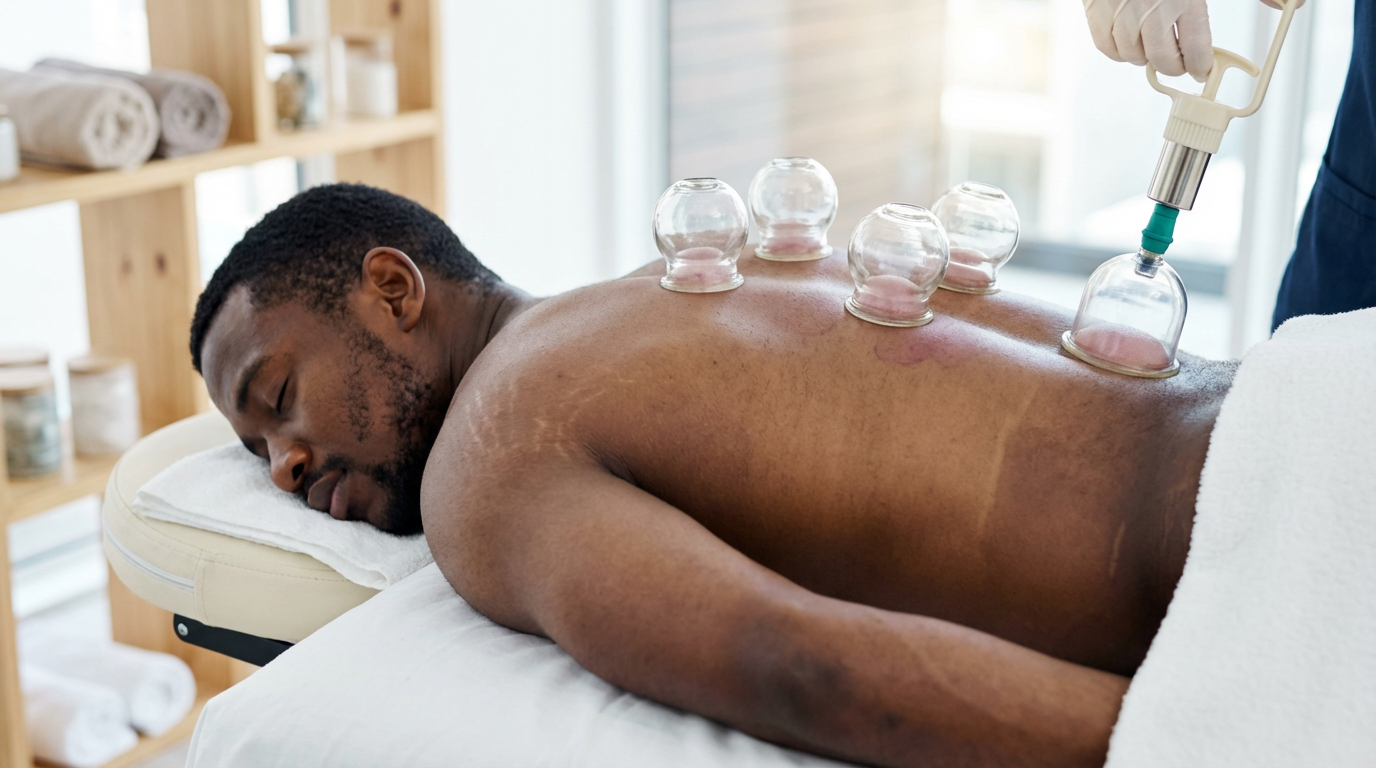
Cups are placed on target areas and suction is applied. Intensity should be tolerable. “More bruising” does not automatically mean “more effective.”
Cups are commonly left on for several minutes. Some providers may use moving cupping, which usually feels like a strong pulling glide.
The Marks
Those circular marks are usually temporary discolouration. They can last days to over a week depending on suction intensity and individual factors. Health authorities note that these marks should be explained, because they can be mistaken for something else.
After-Session Sensations
Many people feel:
- Looser range of motion
- Warmth in the area
- Mild soreness similar to a deep tissue massage
- Occasionally, temporary sensitivity for a day or two
Safety, Side Effects, And Who Should Avoid Cupping
Most reported effects are mild, but safety matters—especially depending on the technique used.
Common, Expected Effects
- Temporary marks/discolouration
- Mild soreness or tenderness
- Temporary fatigue or “relaxed heaviness”
Possible Side Effects And Risks
The National Center for Complementary and Integrative Health (NCCIH) and clinical references list potential issues including burns, infection, scarring, persistent discolouration, and worsening of certain skin conditions. Rare serious adverse events have been reported in specific contexts.
People Who Should Be Extra Cautious Or Avoid Cupping
Talk to a regulated health professional before cupping if you:
- Take blood thinners or have a bleeding disorder
- Have fragile skin, active skin infections, or severe eczema/psoriasis
- Have uncontrolled diabetes with impaired healing
- Are pregnant (especially avoid abdominal/lower back areas unless advised by a qualified provider)
- Are prone to fainting with needles/blood (especially relevant for wet cupping)
If a provider dismisses safety screening, that’s a “walk out politely” moment.
Cupping Vs Massage Vs Foam Rolling Vs Physio
Cupping Vs Massage
Massage compresses; cupping decompresses. Many people alternate both. If massage helps but you always feel “compressed and tender,” cupping may feel gentler.
Cupping Vs Foam Rolling
Foam rolling is self-managed and cheap. Cupping is practitioner-guided. Both can be effective for short-term symptom relief.
Cupping As Part Of Physiotherapy Or Rehab
If you have persistent pain, recurrent injuries, or nerve symptoms (numbness/tingling), cupping should not be the whole plan. Assessment-based care can identify strength deficits, mobility restrictions, and load triggers—then cupping becomes a supportive tool rather than the main character.
How To Choose A Qualified Provider In Canada
A good cupping experience is less about “finding the strongest suction” and more about finding someone who treats cupping like a tool inside a larger care plan.
Look for:
- Clear credentials (regulated providers where applicable, strong training background)
- Hygiene protocols and clean equipment
- Informed consent (including explaining marks and risks)
- A plan that includes movement and self-care, not only passive treatment
Red flags:
- Promises to “detox toxins” with certainty
- Claims that bruising equals success
- Ignoring medications, skin conditions, or medical history
- Pressure to buy expensive multi-session packages immediately
Aftercare Tips For Better Muscle Relaxation
Try these after a session to keep the benefits longer:
Gentle Movement
A short walk, light mobility drills, or easy stretching can help your nervous system “own” the new range of motion.
Hydration And Sleep
No, cupping doesn’t magically drain your body like a kitchen sink, but good hydration and sleep support recovery and tissue sensitivity.
Training Smart
If you’re using cupping for post-workout tightness, consider keeping the next workout moderate. Treat it like you would a deep tissue massage day: productive, but not the day to attempt your personal best.
Track Results
Use simple metrics:
- Pain score (0–10)
- Range of motion (how far you can comfortably turn, bend, or reach)
- Sleep quality
- Training performance and soreness pattern
If you see no change after 2–3 sessions, you may be better served by a different approach.
Frequently Asked Questions
Does Cupping Therapy Actually Relax Muscles?
For many people, cupping can reduce the feeling of tightness and improve comfort or mobility short-term. Research reviews suggest it may reduce pain intensity in certain musculoskeletal conditions, though results and evidence quality vary.
How Long Do Cupping Marks Last?
It depends on suction intensity, your skin, and circulation. Many marks fade in a few days, but some can last a week or longer. Health authorities note that cupping commonly leaves temporary marks.
Is Cupping Safe For Athletes?
Dry cupping is generally considered low risk when done properly, but bruising and soreness can affect training comfort. Avoid aggressive suction right before competition, and work with a qualified provider who understands sport recovery.
Can Cupping Help With Posture-Related Tightness?
It can help reduce discomfort and perceived tightness in areas like the neck, shoulders, and upper back. For lasting change, combine it with strengthening (upper back, deep neck flexors) and workstation improvements.
What Is The Difference Between Dry Cupping And Wet Cupping?
Dry cupping uses suction only. Wet cupping involves small skin incisions and blood, which increases infection and complication risks and demands strict hygiene standards. Safety references list preventable adverse events such as infection and burns, highlighting the importance of technique and sterility.
Does Cupping Remove “Toxins”?
There’s no strong clinical evidence that cupping “removes toxins” in the way that claim is often marketed. The more evidence-supported framing is symptom relief (especially pain) for some people, rather than detox promises.
How Often Should I Get Cupping Therapy?
A common trial is once per week for 2–3 weeks, then reassess. If you notice meaningful improvement, spacing sessions out and pairing with strength/mobility work is often more sustainable.
Can Cupping Make Pain Worse At First?
Yes. Like massage, it can create temporary soreness or sensitivity, especially if suction is aggressive or tissue is already irritated. Mild soreness is common; sharp pain, blistering, or worsening symptoms are not.
Who Should Not Get Cupping Therapy?
People with certain skin conditions, bleeding disorders, or those taking anticoagulants should be cautious, and anyone with active infection or fragile skin should avoid it unless cleared by a qualified health professional. NCCIH notes potential side effects including burns and infection, and rare serious events have been reported.
What Should I Do After A Cupping Session?
Keep it simple: light movement, hydrate normally, avoid very hot baths if your skin is sensitive, and don’t schedule an all-out training session immediately if the area feels sore. If you notice blistering, signs of infection, or severe pain, contact a health professional.
Final Thoughts
Cupping therapy can be a helpful, unique approach to muscle relaxation—especially if you tend to respond well to hands-on treatments and you’re looking for short-term relief from tightness and discomfort.
The research trend suggests benefits for pain in some musculoskeletal conditions, with mixed findings for longer-term functional change.
Used wisely, cupping is like a good assistant in your recovery routine: it can make the day easier, but it shouldn’t run the whole operation. Pair it with movement, strength work, and smart training loads, and you’ll get the best of both worlds.