
Can Reflexology Help With Chronic Pain? A Toronto Practitioner Explains
By: Dao Yi Wellness
Chronic pain has a way of shrinking your world. It can steal sleep, make simple errands feel like marathon training, and turn your mood into a weather system that never clears.
If you’re in Toronto, you also get the bonus level: commuting stress, long workdays, and a calendar that behaves like it’s trying to win a cage match.
If you’ve been wondering whether reflexology can help with chronic pain, the honest answer is: it can help some people feel better—especially by easing stress, improving relaxation, and supporting sleep—but it’s not a cure, and the research is mixed.
The good news? When used correctly, it’s generally low-risk and can fit nicely into a broader pain-management plan.
Let’s get right into it!
What Chronic Pain Actually Is
Chronic pain usually means pain that lasts or recurs for more than 3 months. It’s not just “pain that won’t go away.” Over time, pain can become linked to changes in the nervous system, sleep disruption, stress hormones, and protective muscle tension.
In Canada, chronic pain is a significant public health issue.
Health Canada reports it affects about 1 in 5 Canadians (roughly 7.6 million people).
StatsCan has also reported that 16.7% of Canadians aged 15+ had a pain-related disability in 2022 (about 4.9 million people).
That matters because chronic pain is rarely just “a sore spot.” It often becomes a loop:
- Pain increases stress
- Stress reduces sleep quality
- Poor sleep increases pain sensitivity
- Increased sensitivity triggers more flare-ups
Breaking even one part of that loop can improve day-to-day function. That’s where reflexology may play a supportive role.
What Reflexology Is And What It Is Not
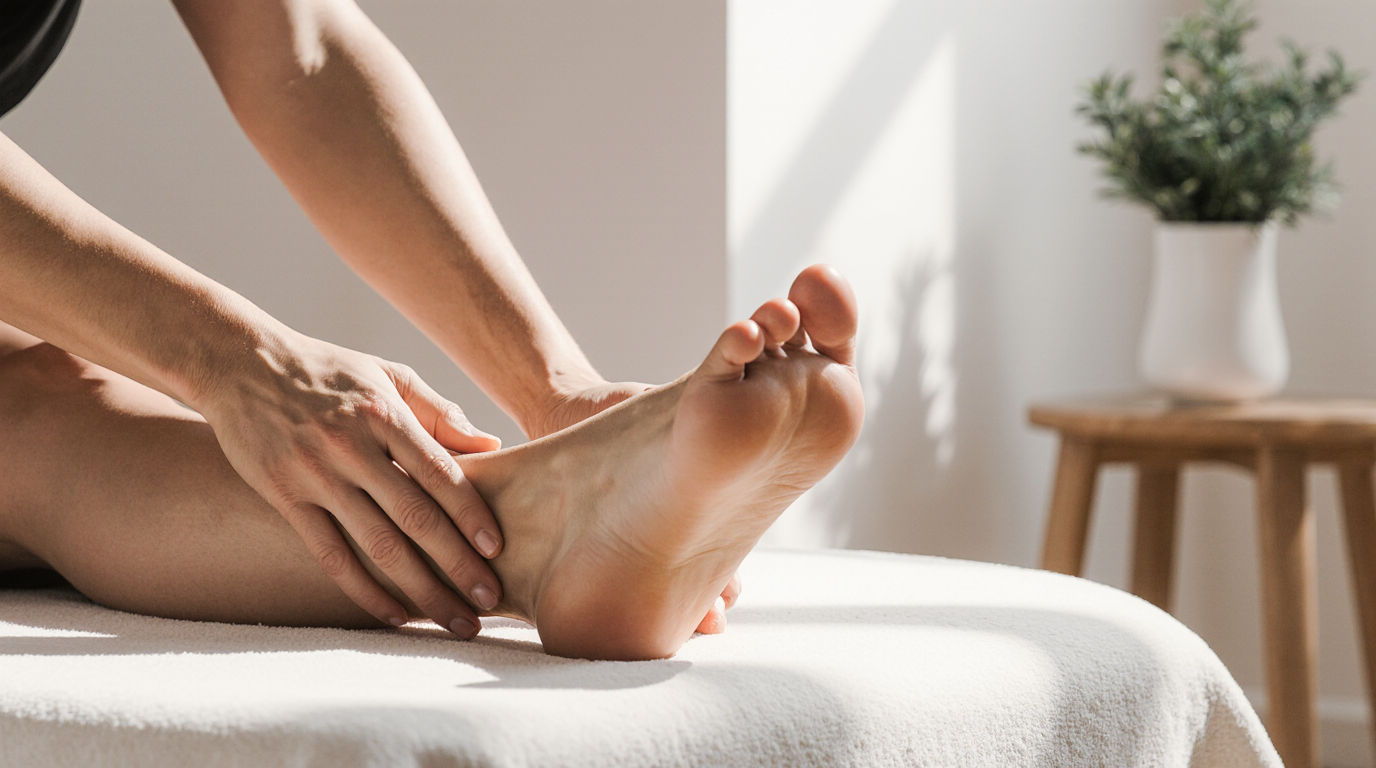
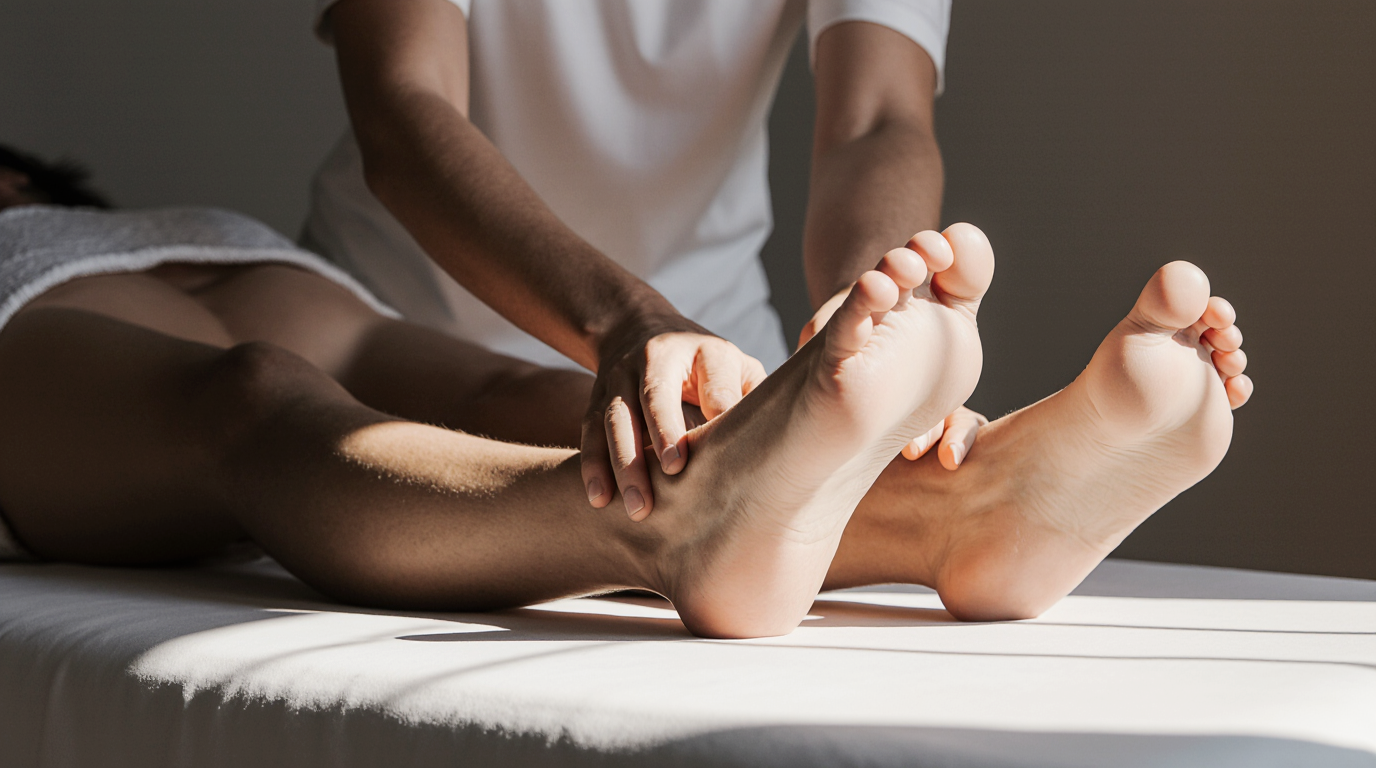
Reflexology is a hands-on approach where a practitioner applies pressure to specific points on the feet (and sometimes hands). Many reflexology traditions map these points to different areas of the body.
Here’s the grounded, evidence-based framing:
- Reflexology may support relaxation and symptom relief for some people
- Reflexology has not been proven to “heal” internal organs or replace medical care
- Reflexology is best viewed as supportive care, not a stand-alone cure
The U.S. National Center for Complementary and Integrative Health (NCCIH) notes that reflexology is claimed to promote relaxation and healing, but those claims “have not been proven.”
So if anyone promises you they can “fix chronic pain permanently in one session,” that’s not a practitioner—that’s a magician auditioning for a Netflix special.
How Reflexology May Help With Chronic Pain
Even when we strip away the most mystical claims, reflexology can still be useful because chronic pain is not only a tissue problem—it’s often a nervous system problem.
Calming The Nervous System
Chronic pain frequently keeps the body in a guarded, revved-up state. Many clients describe feeling like their system is “always on.” Reflexology sessions often create a deep relaxation response, which may help downshift the stress response that amplifies pain.
Reducing Muscle Guarding And Tension
When you’re in pain, your body braces. That bracing can spread discomfort into nearby areas. A relaxation-focused session can help soften that protective tension, which may reduce secondary aches.
Supporting Sleep Quality
Pain and sleep are tightly linked. A calmer nervous system and reduced stress can make it easier to fall asleep and stay asleep—two changes that can indirectly reduce pain sensitivity over time.
Improving Coping And Perceived Pain
Pain isn’t only intensity. It’s also how intrusive it feels, how much it disrupts your life, and how exhausted you become managing it. Many people use reflexology as a “reset button” that improves their capacity to cope—even if their pain doesn’t disappear completely.
What The Research Says About Reflexology And Pain
Here’s the truth practitioners respect: the evidence is mixed.
Older systematic reviews have found that many reflexology studies were small, varied in quality, and often did not show clear benefits beyond placebo/context effects. For example, Edzard Ernst’s reviews (2009 and later updates) concluded that the evidence was not convincing overall, with many trials showing no clear effect and methodological limitations common.
At the same time, more recent research reviews often report promising findings in certain contexts, especially when reflexology is used for symptom relief (including pain, fatigue, and quality of life) within specific populations.
A 2023 systematic review and meta-analysis on reflexology for people with multiple sclerosis reported improvements in pain and fatigue outcomes in that population.
There are also research trend reviews that summarize many clinical studies suggesting pain reduction outcomes, though these types of papers can include studies with varied designs and quality—so they’re useful for seeing where research is headed, not for declaring reflexology a guaranteed pain solution.
What This Means In Plain English
- Reflexology is not a guaranteed treatment for chronic pain
- Some people experience meaningful symptom relief (especially relaxation-related changes)
- Outcomes depend on the person, the pain condition, the practitioner approach, and whether reflexology is part of a broader plan
If you’re looking for something that is low-risk, non-invasive, and helps you feel calmer in your body, reflexology may be worth a trial.
Who Might Benefit Most From Reflexology For Chronic Pain
Reflexology tends to be most helpful for people whose pain is strongly influenced by stress, sleep, and nervous system “overdrive,” such as:
- Stress-amplified pain and tension patterns
- Pain that worsens after poor sleep
- Headaches linked to tightness and overload
- People who feel anxious, restless, or constantly “wired” alongside their pain
- People who want a gentle adjunct while doing physio, movement rehab, or medical care
In Toronto specifically, I often see clients whose pain is made worse by desk work, long screen time, and living life at 1.5x speed. Reflexology isn’t a miracle—more like a nervous system exhale.
When To Be Cautious And When To See A Medical Professional First
Reflexology is generally considered low-risk for many people, but “low-risk” isn’t “for everyone, always.”
Seek medical assessment first if you have red flags such as:
- New, severe, or rapidly worsening pain
- Numbness, weakness, loss of coordination, or bowel/bladder changes
- Fever, unexplained weight loss, or pain with systemic symptoms
- Significant swelling, heat, or redness in a limb (possible clot/infection concerns)
Also consider medical clearance if you have:
- Severe neuropathy or significant loss of sensation in the feet
- Active skin infections, open wounds, or contagious foot conditions
- Recent fractures or surgeries affecting the feet/ankles
- Circulatory conditions where pressure work should be adapted
A professional practitioner should ask about these in intake and modify treatment accordingly.
What A Reflexology Session In Toronto Usually Looks Like
While every clinic has its style, a high-quality reflexology session typically includes:
A Proper Intake
You should be asked about:
- Your pain history (how long, where, what triggers it)
- Your sleep quality and stress levels
- Medications and diagnoses
- Mobility and daily function goals
- Any contraindications for foot work
The Treatment
Most clients feel a mix of:
- Gentle to firm pressure in specific areas
- Warmth or “release” sensations
- A deep sense of calm (sometimes unexpectedly emotional—stress lives in the body)
After The Session
You might feel:
- Relaxed or sleepy
- Temporarily tender in certain points
- A shift in stress, mood, or sleep that evening
A common practical approach is to try a short series (for example, several sessions over a few weeks), track outcomes, and then decide if it’s helping enough to continue.
Reflexology Vs Massage Vs Physio Vs Acupuncture
Think of these as different tools, not competing religions.
Physiotherapy
Often best for restoring function: strength, mobility, loading tolerance, and movement confidence.
Massage Therapy
Often helpful for muscular tension, tissue comfort, stress, and recovery. (Massage evidence varies by condition, but it’s widely used for pain support.)
Acupuncture
Used by many people for pain management; evidence varies by condition and practitioner approach.
Reflexology
Often best for relaxation, stress modulation, comfort, and sleep support—especially when pain is tied to tension and nervous system activation.
Many Toronto clients do best with a blended approach: movement rehab + sleep support + stress reduction + hands-on therapy. Reflexology can be one of the pieces.
How To Choose A Reflexology Practitioner In Toronto
If you want a session that actually helps (and not one that feels like a sales pitch from the universe), look for:
- Clear training and professional standards
- A thorough intake and informed consent
- Realistic language (no grand promises, no fear tactics)
- Willingness to collaborate with your existing care team
- A plan that focuses on outcomes you can measure: sleep, stress, function, flare-up frequency
A green flag is when a practitioner says:
“Let’s try a short plan, track your response, and adjust based on what your body shows us.”
A Simple Chronic Pain Support Plan That Includes Reflexology
If you’re trying reflexology for chronic pain, you’ll usually get better results by pairing it with a basic support plan:
Track The Right Outcomes
Instead of only rating pain 0–10, track:
- Sleep quality (hours, awakenings)
- Stress level (daily check-in)
- Function (walks, stairs, work tolerance)
- Flare-up frequency and duration
Pair Reflexology With Gentle Movement
Light mobility, walking, or physio exercises can improve long-term capacity.
Protect Your Sleep
Even small upgrades matter: consistent bedtime, less late-night scrolling, and a wind-down routine.
Use Pacing
Chronic pain often punishes “boom-bust” cycles. Build consistency instead of heroics.
Reflexology can help you feel calmer and more recoverable—then the lifestyle basics and rehab work land better.
Conclusion
Can reflexology help with chronic pain? For some people, yes, especially as a supportive therapy that reduces stress, improves relaxation, and helps sleep, which can all influence pain sensitivity and coping.
The research overall is mixed, but there are promising findings in certain contexts, and many clients report meaningful symptom relief when reflexology is used as part of a broader plan.
If you’re in Toronto and dealing with chronic pain, a smart next step is a short, structured trial: a few sessions, clear goals, and simple tracking.
If it helps, you’ll know, because your sleep, stress, and day-to-day function will start telling the truth.
Frequently Asked Questions
Can Reflexology Cure Chronic Pain Permanently?
Reflexology isn’t considered a cure for chronic pain. Many people use it as supportive care to reduce stress, improve relaxation, and sometimes lessen perceived pain intensity. The best outcomes usually happen when reflexology is combined with movement, sleep support, and medical guidance when needed.
How Many Reflexology Sessions Should I Try Before Deciding?
A practical trial is often a small series over a few weeks. Track changes in sleep, stress, flare-up frequency, and daily function—not only pain scores. If there’s no meaningful change after a reasonable trial, you may be better served by another approach.
Is Reflexology Safe If I Have Nerve Pain Or Neuropathy?
It can be, but it depends on severity and sensation. If you have reduced feeling in your feet, diabetes complications, or significant neuropathy, you should mention it during intake. A practitioner may need to adjust pressure or recommend medical clearance.
Can Reflexology Help With Arthritis Pain?
Some people with arthritis report improved comfort and reduced stress after reflexology, which can indirectly support pain management. It’s not a structural fix for joints, but it may help with relaxation, tension, and sleep—factors that influence pain experience.
Does Reflexology Help With Sciatica Or Low Back Pain?
It may help some people manage stress-related tension and discomfort, but true sciatica can involve nerve compression and needs proper assessment. Reflexology can be a supportive add-on, not a replacement for diagnosis and targeted rehab.
What Should I Expect After A First Reflexology Session?
Many people feel calmer, sleepier, or more relaxed. Some notice temporary tenderness in the feet or a short-term shift in how their pain feels. Hydration, a quiet evening, and gentle movement can help you integrate the session well.
Is Reflexology Covered By Insurance In Toronto?
Coverage varies by plan and provider type. Some extended health benefits reimburse certain complementary services, while others do not. The easiest move is to check your plan details and ask the clinic if they provide receipts.
Can Reflexology Help With Fibromyalgia Symptoms?
Fibromyalgia often involves widespread pain sensitivity, fatigue, and sleep disruption. Reflexology may support relaxation and sleep, which can matter a lot for symptom management. It should be used as part of a broader strategy including pacing, movement, and medical support.
How Is Reflexology Different From Massage Therapy?
Massage typically focuses on muscles and soft tissues, while reflexology focuses on pressure points primarily on the feet (and sometimes hands). Both can support relaxation and comfort. Some clients prefer reflexology if they don’t want full-body work.
How Do I Choose The Right Reflexologist In Toronto For Chronic Pain?
Look for someone who does a real intake, communicates clearly, avoids grand medical claims, and helps you track outcomes like sleep, stress, and function. Chronic pain support works best with practitioners who treat you like a whole person, not a “foot map.”
If you have any questions about our article “Can Reflexology Help With Chronic Pain? A Toronto Practitioner Explains” or need reflexology services contact us at info@daoyiwellness.com or connect with us on social media.