
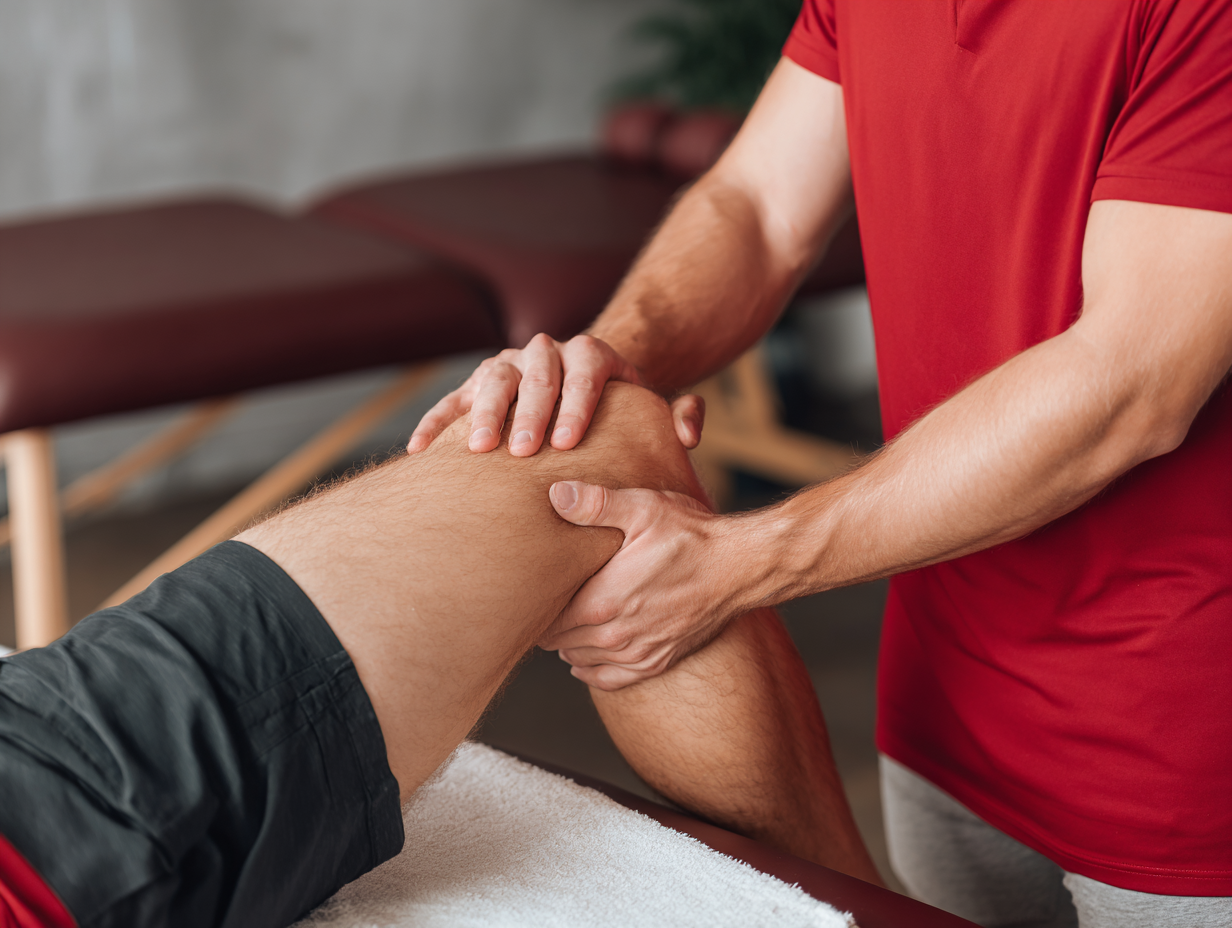
Best Massage Techniques For Pulled Hamstrings
By: DaoYi Wellness
A pulled hamstring is one of the most frustrating injuries you can deal with, whether you’re an athlete or just someone who moved a little too fast at the wrong time.
Hamstring strains are incredibly common, accounting for a significant portion of sports-related injuries, especially in running and explosive movements.
Massage is often recommended as part of recovery, but here’s the truth most people miss: timing and technique matter more than the massage itself. Done right, it can speed up recovery. Done wrong, it can make things worse.
What Actually Happens When You Pull Your Hamstring?
A hamstring strain occurs when muscle fibres are overstretched or torn. This triggers inflammation, tightness, and reduced mobility.
There are three main levels:
- Mild strain (micro-tears)
- Moderate tear (partial damage)
- Severe rupture (complete tear)
Each stage requires a different approach—including how and when massage should be used.
Can Massage Really Help A Pulled Hamstring Or Make It Worse?
Massage can absolutely help—but only at the right time.
Research shows massage can reduce muscle soreness by about 13%, making it useful for recovery and comfort . It also improves flexibility and range of motion, which are critical during rehabilitation .
However, evidence overall is still evolving, and massage should not be treated as a standalone solution .
When Should You Start Massage After A Hamstring Injury?
This is where most people mess up.
In the first 24 to 72 hours, aggressive massage should be avoided. During this stage, the muscle is inflamed and vulnerable.
As healing progresses, light massage can help improve circulation and reduce tightness. Deeper techniques should only be introduced once pain and inflammation have decreased .
Why Massage Helps Hamstring Recovery
Massage works through several mechanisms:
- It increases blood flow, bringing oxygen and nutrients to the injured area
- It reduces muscle guarding and tension
- It improves mobility and flexibility
Studies show even short massage sessions can improve flexibility immediately—and the effects can last for days .
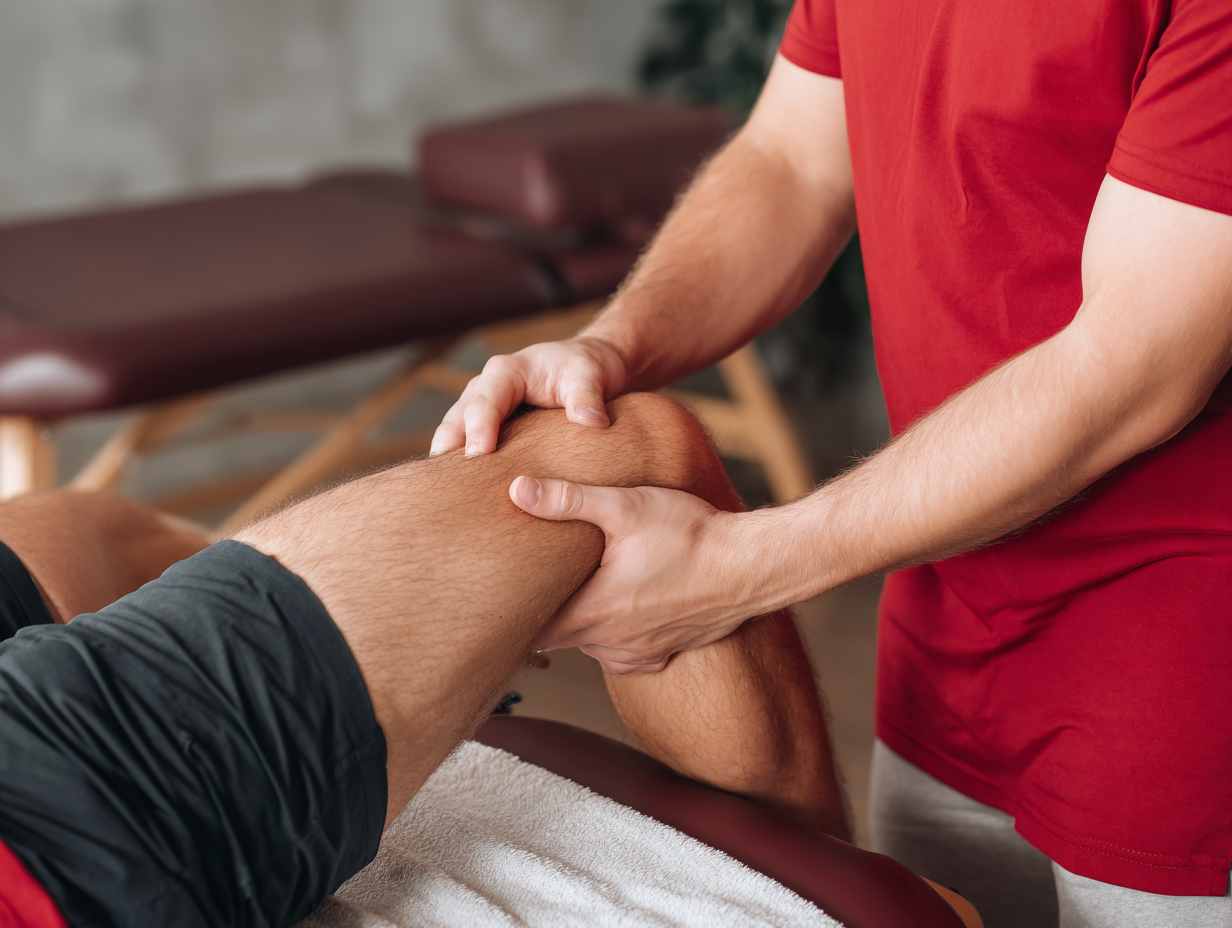
Best Massage Techniques For Pulled Hamstrings
Light Effleurage For Early Recovery
This technique uses gentle, sweeping strokes to increase circulation without irritating the injury. It’s ideal in early recovery stages.
Myofascial Release To Reduce Tightness
This technique targets the fascia—the connective tissue surrounding muscles. It helps reduce stiffness and restore movement.
Deep Tissue Massage For Later Stages
Once healing is underway, deep tissue massage can help break down adhesions and improve muscle function. Studies show it can improve recovery and performance when used consistently .
Cross-Fibre Friction To Manage Scar Tissue
This technique helps prevent scar tissue from forming improperly, which can reduce long-term stiffness and reinjury risk.
Trigger Point Therapy For Knots
Trigger points often develop after injury. Targeting them can relieve pain and restore normal muscle activation.
Massage And Stretching Combined For Best Results
Massage alone helps—but combining it with stretching is even more effective.
Research shows combined therapy leads to greater improvements in flexibility than either method alone.
What Massage Techniques Should You Avoid?
Avoid:
- Deep pressure early on
- Aggressive foam rolling
- Overusing massage guns
Some tools may provide limited benefit if used incorrectly or too early .
How Often Should You Get Massage For A Pulled Hamstring?
Frequency depends on the stage of recovery:
- Early stage → minimal or none
- Mid recovery → 2–3 sessions weekly
- Later stage → maintenance
Massage Vs Stretching: Which Works Better?
Massage and stretching both improve flexibility. Studies show they provide similar short-term benefits, especially for range of motion .
The best approach is combining both.
How Long Does It Take To Recover With Massage?
Recovery timelines vary:
- Mild strain → 1–3 weeks
- Moderate → 4–8 weeks
- Severe → several months
Massage can speed up recovery—but it’s just one part of the process.
Can Massage Prevent Future Hamstring Injuries?
Yes—when used consistently.
Massage improves flexibility, reduces muscle tightness, and enhances mobility, all of which lower injury risk .
Common Mistakes People Make With Hamstring Massage
- Starting too early
- Using too much pressure
- Ignoring strengthening exercises
- Treating symptoms instead of the cause
When You Should See A Professional
Seek help if:
- Pain is severe
- You can’t walk properly
- The injury keeps coming back
Conclusion
Massage can be a powerful tool for hamstring recovery—but only when used correctly. The key is timing, technique, and combining it with proper rehabilitation.
Done right, it helps you recover faster, move better, and reduce the risk of reinjury.
If you have any questions about our article Best Massage Techniques For Pulled Hamstrings or need a registered massage therapist for an injured hamstring near Toronto, contact us at info@daoyiwellness.com.
FAQs
Can massage make a hamstring injury worse?
Yes, especially if done too early or too aggressively during the acute phase.
Is deep tissue massage safe for hamstring strains?
Only in later stages of healing, not immediately after injury.
How soon can I massage a pulled hamstring?
Light massage can begin after the initial inflammation phase, usually after 48–72 hours.
Does massage speed up recovery time?
It can improve circulation and reduce tension, which may support faster recovery.
What type of massage is best for hamstring injuries?
A combination of myofascial release, light massage, and later deep tissue techniques.
Can I massage my hamstring myself?
Yes, but professional treatment is more effective for deeper issues.
How often should I get massage therapy?
Typically 2–3 times per week during recovery phases.
Should I stretch before or after massage?
Stretching after massage is generally more effective.
Can massage prevent future injuries?
Yes, by improving flexibility and reducing muscle tightness.
Is massage better than physiotherapy?
No, it works best as part of a complete rehab plan.