
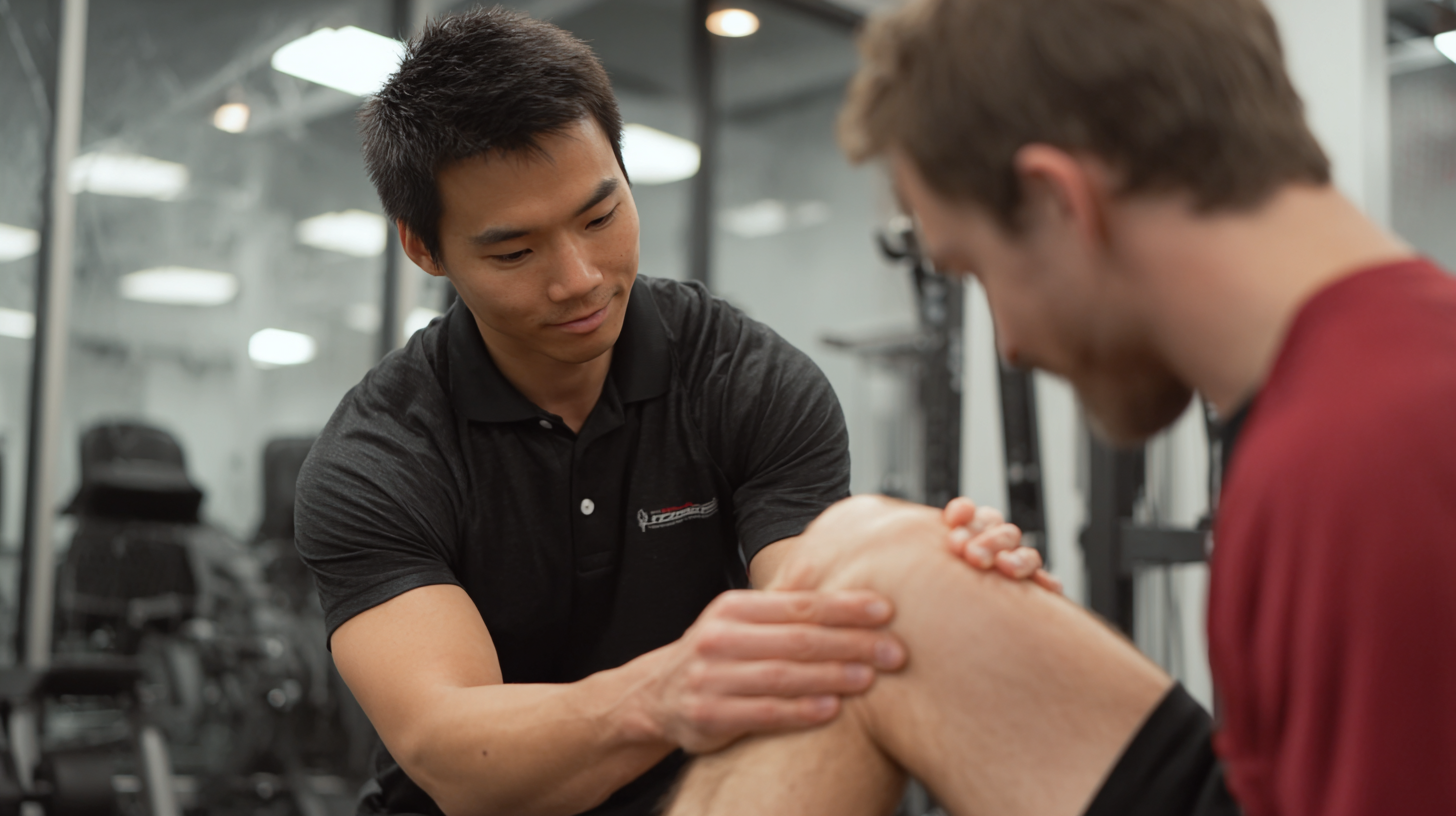
Relieving Tight Hamstrings In Toronto: Effective Massage Techniques
By: Dao Yi Wellness
Massage isn’t magic, though. It works best as part of a simple system: calm the tissue down, restore comfortable motion, then strengthen the pattern so your hamstrings stop acting like they’re on permanent guard duty.
Tight hamstrings have a way of showing up like an uninvited houseguest: after a long drive, after leg day, after sitting at your desk “just for a minute” that turns into three hours.
The good news is that massage, done properly, can reduce that locked-up feeling fast, improve range of motion, and make stretching and strengthening far more effective.
Let’s get right into it.
What Tight Hamstrings Really Mean
“Tight” can mean a few different things:
- Your hamstrings may genuinely be short and stiff from long-term positioning and lack of lengthening.
- They may be strong but overworked because your glutes aren’t doing their share.
- They may feel tight because your nervous system is keeping them “on” as a protective strategy (common with fatigue, stress, or cranky lower backs).
That’s why massage can feel so effective: it can reduce sensitivity, improve your tolerance to stretch, and help your body “let go” long enough to move well again.
Research reviews also suggest massage can reduce delayed-onset muscle soreness (DOMS), especially around the 24–48 hour mark after hard training.
Why Tight Hamstrings Are So Common
Sitting And Hip Mechanics
When you sit, your hips stay flexed. Over time, many people lose comfortable hip extension (the ability to open the front of the hip), and the body often compensates by recruiting hamstrings more during walking, standing, and bending.
Weak Or Sleepy Glutes
If glutes are underactive, hamstrings frequently pick up the slack during hip extension—especially in hinges, stairs, hills, and running.
Training Load And Recovery
Hamstrings get hammered by sprinting, deceleration, hinging, and sport change-of-direction. In field-based team sports, hamstring injuries represent a meaningful chunk of total injuries, which speaks to how heavily these muscles are loaded.
Nerve Sensitivity Disguised As “Tightness”
If you feel pulling behind the knee, tingling, numbness, or symptoms that change dramatically with neck or spine position, this can be more neural than muscular.
In that case, aggressive massage is not the play, smarter assessment is.
When Massage Helps Most
Massage tends to help the most when your tightness is driven by tone, soreness, and overuse—not by a fresh tear or nerve irritation.
Massage is commonly used to:
- Reduce post-exercise soreness (DOMS)
- Support short-term flexibility improvements (even if performance gains aren’t guaranteed)
- Make stretching feel smoother and less “pinchy”
- Improve your awareness of where you’re holding tension
When To Be Careful
Skip deep hamstring massage and get checked if you have:
- Sudden sharp pain, a “pop,” bruising, swelling, or major weakness (possible strain/tear)
- Calf swelling, redness, heat, or unexplained shortness of breath (urgent—rule out clot)
- Persistent numbness/tingling down the leg
- Pain that worsens quickly or wakes you at night
If you’re unsure, a physiotherapist or qualified clinician can help you sort out whether you’re dealing with muscle, tendon, nerve, or technique.
How To Get Better Results From Hamstring Massage
Before we get into techniques, here are the rules that keep massage effective instead of angry-making:
- Use A Pressure Scale, Not An Ego. Aim for 4–7 out of 10 discomfort. If you’re grimacing like you’ve been cursed by an ancient wizard, it’s too much.
- Go Slow. Slow strokes allow your nervous system to adapt.
- Breathe Low And Wide. Exhale during tender spots.
- Work The Edge. Stay just below “sharp” pain.
- Re-Test After. Check a gentle toe touch or leg raise. You want “easier,” not “wrecked.”
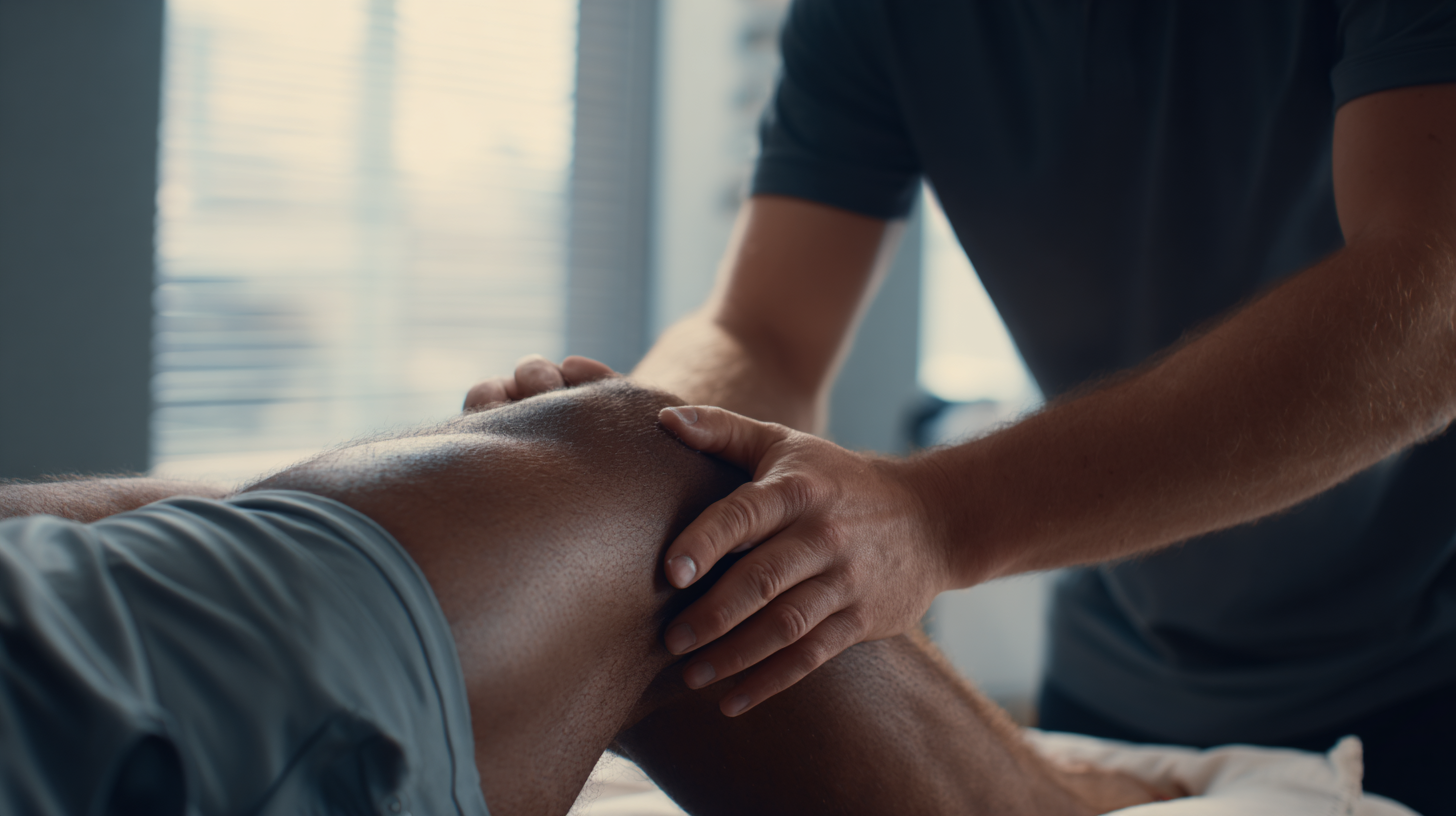
Effective Massage Techniques For Tight Hamstrings
Longitudinal Stripping
This is a slow glide along the length of the hamstring fibres.
How To Do It
- Sit on the edge of a chair or lie face down.
- Use your palms, knuckles, or a massage stick.
- Glide from just above the back of the knee toward the sit bone.
- Move slowly, 1–2 inches per second, 6–10 passes.
Why It Works
It reduces protective tone and helps you find dense bands that respond well to slower pressure.
Trigger Point Compression
This is a “hold and melt” approach.
How To Do It
- Find a tender spot (mid-belly often works well).
- Apply steady pressure for 20–45 seconds.
- Keep breathing. The sensation should soften slightly.
- Release slowly, then repeat once or twice.
Tip
If the pain ramps up, back off. Trigger points respond to patience, not punishment.
Pin And Stretch
This combines pressure with gentle movement to “teach” the tissue a new range.
How To Do It
- Press into a tender point with your thumb, ball, or stick.
- While holding pressure, slowly straighten and bend your knee.
- Do 6–10 slow reps at a comfortable range.
Why It Works
It often creates fast changes in how a stretch feels because you’re blending sensation + motion.
Active Release-Style Sweeps
A practical version you can do on yourself.
How To Do It
- Apply a moderate sweep with a stick roller.
- As you sweep, lightly contract your hamstring for 2 seconds, then relax for 4 seconds.
- Repeat 6–8 times over the tight band.
Why It Works
Contract-relax patterns can help reduce guarding and improve stretch tolerance.
Cross-Fibre Work
This is a short, side-to-side friction across fibres.
When It Helps
- Small stubborn bands that don’t respond to stripping
- Areas around the upper hamstring (near the sit bone) that feel “ropey”
When To Avoid
- Fresh injuries
- High irritability or sharp pain
- If you bruise easily
Keep it light and brief: 20–30 seconds, then reassess.
Self-Massage Tools That Actually Work
Foam Roller
Foam rolling is great for broad coverage and a quick reset. A large meta-analysis and newer reviews suggest foam rolling can improve range of motion, and longer-term programs (multiple weeks) can increase joint ROM.
Best Use
- Daily 2–5 minutes for maintenance
- Before stretching or lifting to improve comfort
Massage Ball Or Lacrosse Ball
Best for targeted points near:
- The upper hamstrings (close to the sit bone)
- The outer hamstring (biceps femoris) that often feels tight in runners
Use the “hold and breathe” method rather than frantic rolling.
Massage Stick Roller
The underrated hero. You control pressure, angle, and speed without wrestling the floor.
Massage Gun
Helpful for short bursts, especially if you keep it light.
Guideline
- 30–60 seconds per area
- Avoid hammering directly behind the knee
- Don’t use it aggressively on a suspected strain
Step-By-Step Self-Massage Routines
Five-Minute Daily Hamstring Reset
Perfect for desk stiffness.
- 60–90 seconds foam roll each hamstring (slow passes)
- 30 seconds trigger point hold on the tightest spot each side
- 6 pin-and-stretch reps each side
- 30–60 seconds easy walking around
Ten-Minute Post-Workout Recovery
Useful after hinge work, running, or sport.
- 2 minutes foam roll total (slow)
- 2 minutes stick rolling (cover the whole muscle)
- 2–3 trigger point holds (20–45 seconds each)
- Finish with a gentle hamstring stretch for 30–45 seconds
Massage can reduce soreness and improve how you feel after training, even if it doesn’t directly boost performance.
Fifteen-Minute Deep Release Session
Do this 2–4 times per week.
- 3 minutes slow stripping with stick/knuckles
- 3 trigger point holds per side
- 2 minutes pin-and-stretch per side
- 2 minutes light cross-fibre work only where needed
- Re-test mobility, then do light stretching
What To Do After Massage For Longer-Lasting Results
Massage opens the door. Stretching and strengthening walk through it holding the keys.
Stretching That Makes Sense
A recent review on static stretching dose suggests flexibility improves with static stretching in adults, with no added benefit beyond about 4 minutes per session or 10 minutes per week.
Practical Takeaway
- 30–60 seconds per stretch
- 2–4 rounds
- Most days of the week beats one heroic session
Foam Rolling Plus Stretching
Foam rolling can improve range of motion, and pairing it with stretching often makes the stretch feel smoother and more tolerable.
Strength Training: The “Stop Coming Back” Ingredient
If your hamstrings are tight because they’re overworking, you need to change the workload sharing.
Try:
- Romanian Deadlifts (light to moderate, slow lowering)
- Hamstring Curls (machine, band, or sliders)
- Hip Thrusts Or Glute Bridges (teach glutes to show up)
- Nordic Progressions (only if you’re already strong and pain-free)
How Often Should You Massage Tight Hamstrings
- Light Work (Foam Roller/Stick): 3–7 days per week
- Deeper Work (Trigger Points, Pin-And-Stretch): 2–4 days per week
- Massage Gun: 2–5 times per week, brief and light
Progress Markers
- Your toe touch feels easier
- Morning stiffness decreases
- You recover faster after training
- You can hinge without the hamstrings “grabbing”
If tenderness increases session-to-session or you feel more restricted, reduce pressure and frequency.
Tight Hamstrings In Sport: A Quick Reality Check
Hamstrings are heavily involved in high-speed running and deceleration, which is one reason they’re frequently injured in sport. A meta-analysis across field-based team sports reported hamstring injuries around 0.81 per 1000 hours and about 10% of all injuries.
Translation: if you play sprinty sports, hamstrings need recovery, smart loading, and strength—not just stretching harder while whispering threats at them.
Frequently Asked Questions
Is It Better To Massage Hamstrings Before Or After A Workout?
Before training, keep it light and brief (1–3 minutes total) to improve comfort and range of motion. After training, you can do a longer session to reduce soreness and stiffness, especially in the 24–48 hour window where massage may help DOMS.
Can Foam Rolling Really Lengthen My Hamstrings?
Foam rolling is more likely to improve range of motion by changing sensation and tolerance rather than permanently “lengthening” tissue in one session. Over time, training-style foam rolling programs have been shown to increase joint ROM.
How Hard Should I Press When Massaging Tight Hamstrings?
Moderate pressure works best: uncomfortable but manageable (about 4–7/10). Too much pressure can make the muscle guard and feel tighter later.
Why Do My Hamstrings Feel Tight Even Though I Stretch Every Day?
Often it’s not a stretching problem—it’s a load-sharing problem. Weak glutes, poor hinge mechanics, or too much running/sprinting volume can keep hamstrings chronically “on.” Massage may help temporarily, but strength and movement fixes make it stick.
Can Massage Help With Post-Workout Soreness?
Evidence suggests massage can reduce DOMS and improve how you feel after strenuous exercise, even if it doesn’t directly boost performance.
What’s The Best Tool: Ball, Roller, Or Massage Gun?
For full hamstring coverage, a foam roller or stick is usually easiest. For pinpoint tight spots, a ball works best. Massage guns can help with quick relief, but light pressure is safer and often more effective.
Should I Massage Near The Back Of The Knee?
Be cautious. There are sensitive structures behind the knee, and aggressive pressure there can feel sharp and unhelpful. Stay on the muscle belly above it.
How Do I Know If It’s A Hamstring Strain Instead Of Tightness?
Strains often involve sudden pain during activity, possible bruising, weakness, and pain with resisted knee bending or hip hinging. If symptoms are significant or worsening, get assessed.
Can Tight Hamstrings Contribute To Low Back Pain?
They can be part of the picture by altering how you move through the hips and pelvis. Stretching hamstrings has been studied as one approach that may help disability outcomes in some low back pain populations.
What’s A Simple Weekly Plan To Keep Hamstrings Loose?
Do light rolling or stick work most days (2–5 minutes), stretch briefly most days (2–6 minutes total), and strength train your posterior chain 2–3 times per week. Consistency beats intensity.
Conclusion
Relieving tight hamstrings is less like “breaking up knots” and more like negotiating peace between your nervous system and your training load. Massage, stripping, trigger point holds, and pin-and-stretch can quickly reduce tone and improve range of motion.
Pair it with sensible stretching (small doses, often) and strength work so your hamstrings stop doing everyone else’s job.
If you want the fastest win: do the five-minute reset daily for a week, then add two strength sessions. Your hamstrings will get the memo—no government conspiracy required, just consistent inputs and a little less heroic rolling on the floor.
If you have any questions about our article “Relieving Tight Hamstrings In Toronto: Effective Massage Techniques” or need massage therapy for your ailing hamstring, contact us at info@daoyiwellness.com.