
Acupuncture For Arthritis: Relief And Management
By: Daoyi Wellness
Arthritis pain has a way of shrinking your world: stairs feel steeper, jars become vaults, and even a good night’s sleep starts negotiating for overtime.
It’s no surprise many Canadians look beyond medications alone and explore complementary approaches like acupuncture—especially when they want better pain control, better movement, and fewer “I’m fine” lies told through clenched teeth.
In this guide, you’ll learn what acupuncture can realistically do for arthritis, where the evidence is strongest, how to use it safely, and how to combine it with treatments that are proven to protect function long-term.
What The Evidence Suggests About Acupuncture For Arthritis
Acupuncture is best understood as a symptom-management tool for many people with arthritis—most often targeting pain, stiffness, and physical function. Research is especially robust for knee osteoarthritis, where multiple reviews report meaningful improvements in pain and function for at least some patients.
For rheumatoid arthritis (RA) and other inflammatory types, the evidence is more mixed and limited, and acupuncture should be viewed as complementary—supporting comfort and quality of life while core medical treatment targets the disease process.
Just as importantly: major clinical guidance for osteoarthritis emphasizes shared decision-making and combining non-drug and drug options based on your goals, preferences, and health context.
Arthritis In Canada: Why Relief And Function Matter
Arthritis is common, and it’s not just a “getting older” issue—it’s a function, work, and quality-of-life issue. For example, federal public health reporting has estimated about 3.9 million (13.6%) Canadians aged 20+ live with diagnosed osteoarthritis, with prevalence rising with age and being higher among females.
This matters because arthritis pain is rarely only “joint pain.” It can change:
- How much you move (which affects strength and stability)
- How well you sleep (which affects pain sensitivity)
- How confident you feel using the joint (which affects function)
- How much inflammation and stress your body is juggling at once
That’s why symptom control—done safely and consistently—can be a big deal even when it’s not a cure.
Osteoarthritis Vs Rheumatoid Arthritis: Same Pain, Different Engines
Osteoarthritis (OA) is often described as “wear and tear,” but it’s more accurate to think of it as a whole-joint condition. Cartilage changes, bone remodelling, and low-grade inflammation can all contribute to pain and stiffness. The knee, hip, and hand are commonly affected.
Rheumatoid arthritis (RA) is an autoimmune inflammatory disease. The immune system drives inflammation in the lining of the joints and can affect multiple body systems. RA typically requires disease-modifying medications (DMARDs) to prevent joint damage and disability.
Why this distinction matters: acupuncture may help with pain modulation and function, but it does not replace treatments that address autoimmune inflammation in RA.
How Acupuncture May Help: Practical Explanations Without The Fog Machine
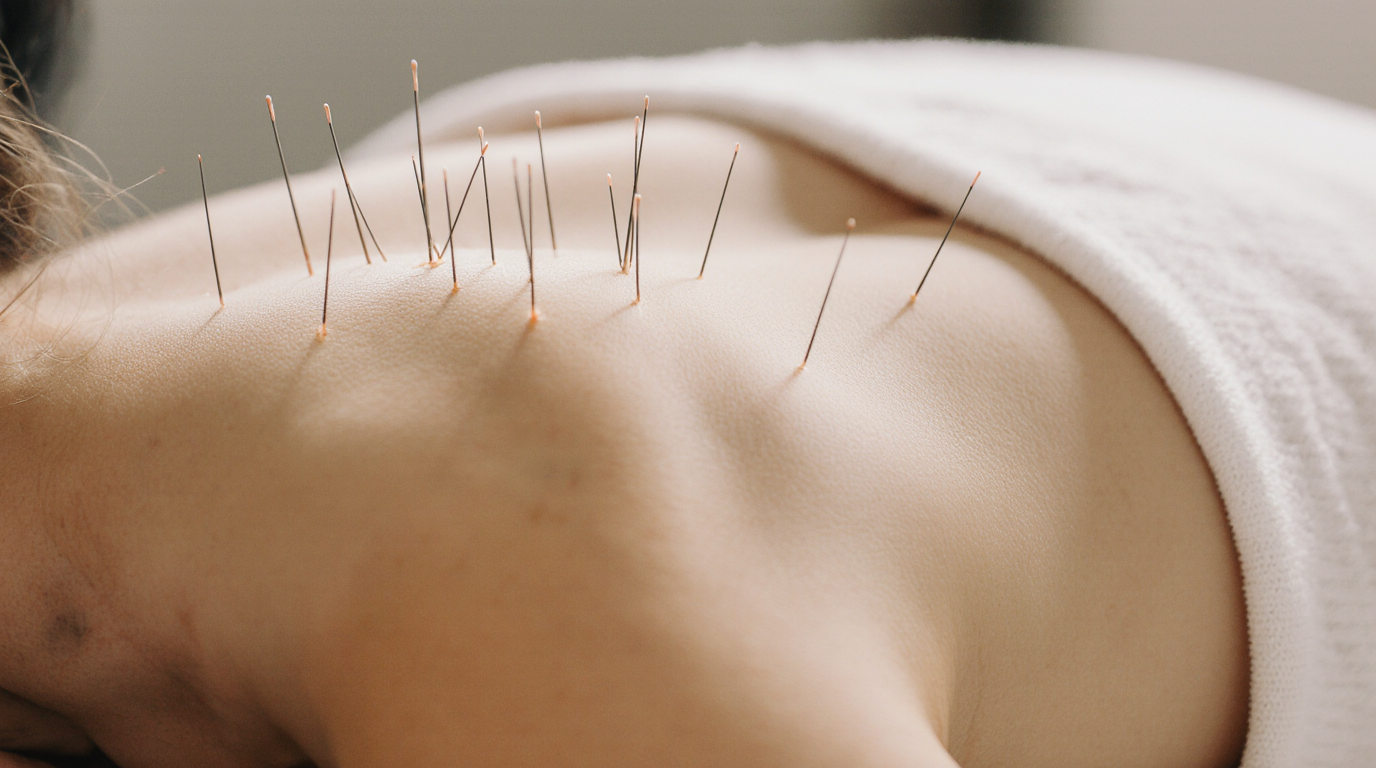
Acupuncture comes from Traditional Chinese Medicine (TCM), where treatment is framed around restoring balance and flow. Many modern patients are also interested in biomedical explanations, and while research is ongoing, a few practical ideas are commonly discussed:
- Pain Modulation Through The Nervous System
Needling may influence how your nervous system processes pain signals—both locally and centrally—so pain feels less intense, or less “sticky.” - Muscle Tone And Protective Guarding
Arthritic joints often trigger muscle guarding around the area (tightness that’s half protection, half overreaction). Some people experience reduced tension and improved range of motion afterward. - Stress, Sleep, And Pain Sensitivity
Pain is amplified by poor sleep and chronic stress. Many patients pursue acupuncture partly for relaxation and sleep support—both of which can indirectly improve arthritis symptoms.
One key nuance: acupuncture research often uses “sham” (placebo-like) acupuncture controls, but “sham” can still stimulate nerves and tissues. This can make acupuncture look less dramatic in trials even if some people feel real-world benefit.
What Research Shows For Knee Osteoarthritis
Knee osteoarthritis is the arthritis scenario most frequently studied in acupuncture research.
A 2024 evidence summary in BMJ Evidence-Based Medicine reported findings suggesting acupuncture can produce clinically important reductions in pain and improvements in physical function for knee OA.
Another 2024 review focusing on durability reported that acupuncture may provide pain and functional improvements for about 3 to 6 months after treatment, with a generally good safety profile.
What this means in real life:
- Some people feel meaningful relief.
- Others feel a modest change, or no change.
- Benefits may fade unless supported by rehab, strengthening, and activity changes.
And that last point is important: for many people, acupuncture works best as part of a plan, not as the plan.
What Guidelines Say About Integrating Acupuncture For Osteoarthritis
The 2019 American College of Rheumatology/Arthritis Foundation guideline (published 2020) emphasizes combining non-pharmacologic strategies (like exercise and education) with other options tailored to the patient, using shared decision-making rather than one-size-fits-all.
Guidelines are not “permission slips,” but they are useful reality checks. If a therapy is low risk, potentially helpful, and supports a patient’s ability to move and function, it often becomes a reasonable option to discuss—especially if it helps you do the big rocks (like exercise) more consistently.
What Research Shows For Rheumatoid Arthritis
For rheumatoid arthritis, acupuncture is generally discussed as a way to support:
- Pain relief
- Stiffness comfort
- Function and wellbeing
A systematic review (older, but widely cited) found limited RCT evidence and emphasized that conclusions were constrained by the small number and quality of trials.
More recent reviews also suggest potential benefits for symptom relief and quality of life, but the evidence is still not the same “slam dunk” level as knee OA.
The non-negotiable here: if you have RA, acupuncture should be adjunctive to medical care (particularly DMARDs), not a replacement.
Who Is Most Likely To Benefit From Acupuncture For Arthritis
While there’s no perfect predictor, acupuncture is often most useful for people who have:
- Persistent pain despite good basics (movement, pacing, topical options)
- Muscle tension and guarding around an arthritic joint
- Sleep disruption that worsens pain sensitivity
- Stress-driven flare patterns
- A willingness to pair acupuncture with a strengthening/mobility plan
In other words: if acupuncture helps you move more, sleep better, and feel less threatened by your joint, you’re stacking the deck in your favour.
When To Be Cautious Or Talk To A Clinician First
Acupuncture is generally considered safe when performed by a qualified practitioner using clean needle technique, but you should check in with your clinician first if you:
- Take blood thinners or have a bleeding disorder
- Have low platelets or a clotting condition
- Are immunosuppressed or have frequent infections
- Have significant skin issues or wounds near the treatment area
- Have new severe swelling, heat, fever, unexplained weight loss, or recent trauma (these need medical assessment)
A good acupuncturist will also screen you and refer out when something doesn’t fit the “typical arthritis” picture.
What A Typical Acupuncture Plan For Arthritis Looks Like
While plans vary, many arthritis-focused approaches follow a pattern:
Initial Assessment And Goal Setting
You’ll usually discuss:
- Which joints are involved
- Pain patterns (morning vs evening, activity triggers)
- Function goals (stairs, walking distance, grip, sleep)
- Medications and medical history
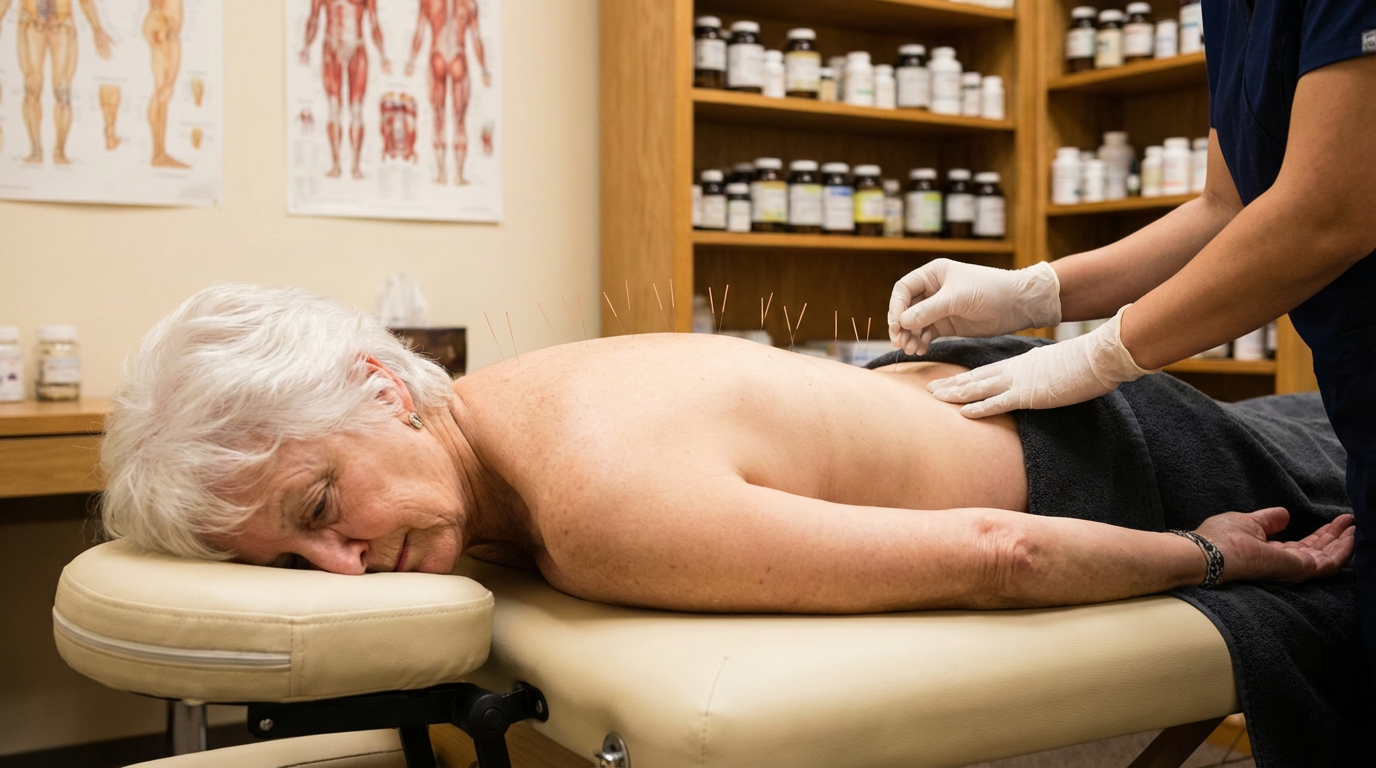
Treatment Sessions
Common basics include:
- 30–60 minute appointments
- Thin, sterile, single-use needles
- A sensation that may feel like heaviness, warmth, tingling, or dull ache (often called “de qi”)
Frequency And Timeline
Many people start with:
- 1–2 sessions per week for a few weeks
Then taper based on response.
The most honest metric is functional: Are you walking more? Sleeping better? Needing fewer rescue strategies? Feeling less stiff in the morning?
Manual Acupuncture Vs Electroacupuncture
Electroacupuncture adds a gentle electrical stimulation through the needles. Some studies suggest it may be particularly useful in pain conditions, and it’s commonly used in knee OA protocols. (It may feel like a tapping or buzzing sensation.)
Safety And Side Effects: What’s Normal
Most side effects are mild and short-lived:
- Temporary soreness at needle sites
- Small bruises
- Feeling relaxed or tired afterward
Serious adverse events are rare when treatment is delivered properly, which is why credentials, hygiene, and clinical judgment matter.
How To Choose A Qualified Acupuncturist In Canada
Canada’s regulatory setup varies by province, but your practical checklist stays the same:
- Clear credentials and professional registration where applicable
- Sterile, single-use needles and clean technique
- Experience with musculoskeletal pain and arthritis
- A plan that includes reassessment (“Are we progressing?”)
- No miracle claims, no pressure tactics, no “cure your arthritis in 3 visits” theatre
If you’re managing RA or complex medical issues, choose someone comfortable coordinating with your physician, rheumatologist, or physiotherapist.
Making Acupuncture Work Better: Pair It With Core Arthritis Care
If you want the best odds of meaningful, durable improvement, pair acupuncture with what arthritis care consistently supports:
For Osteoarthritis
- Strength and aerobic exercise (tailored, progressive)
- Education and pacing
- Weight management if relevant
- Topical anti-inflammatories when appropriate and advised
- Footwear and joint load management strategies
For Rheumatoid Arthritis
- Rheumatology care and DMARDs
- Flare planning and fatigue management
- Strength, mobility, and function training
- Stress and sleep support
Think of acupuncture as one lever in a machine. The machine still needs the other parts.
Frequently Asked Questions
Is Acupuncture Proven To Cure Arthritis?
No. Acupuncture is not considered a cure for arthritis. For many people it’s used to reduce pain and stiffness and improve function, especially in osteoarthritis. Disease-modifying treatment is still essential for inflammatory arthritis like rheumatoid arthritis.
How Many Acupuncture Sessions Do I Need For Arthritis?
Many people trial 6–10 sessions over several weeks, then reassess. If you’re improving, you might taper to maintenance. If nothing changes after a fair trial, it may not be the right tool for you.
Does Acupuncture Help Osteoarthritis More Than Rheumatoid Arthritis?
Evidence is generally stronger for knee osteoarthritis symptom relief than for rheumatoid arthritis. For RA, acupuncture may help comfort and quality of life, but it does not replace medical therapy.
How Long Do The Benefits Last?
Some research suggests benefits for knee osteoarthritis may last for months after a treatment course (often cited around 3–6 months), though results vary by person and by what else you’re doing (exercise, rehab, etc.).
What Does Acupuncture Feel Like? Does It Hurt?
Most people feel minimal pain on insertion. Sensations can include heaviness, warmth, tingling, or a dull ache. Electroacupuncture may feel like a gentle tapping or buzzing.
Is Acupuncture Safe If I’m On Blood Thinners?
It can be, but you should talk to your prescribing clinician and tell your acupuncturist. You may bruise more easily, and the practitioner may use more conservative needling techniques.
Can I Do Acupuncture While Taking Arthritis Medications?
Often yes, and many people use it alongside medications. For rheumatoid arthritis, it’s especially important not to stop DMARDs without medical advice.
Is Electroacupuncture Better Than Regular Acupuncture For Arthritis?
Sometimes it may provide stronger pain relief for certain people, especially in protocols for knee OA, but it isn’t universally “better.” The best option depends on your comfort and your practitioner’s approach.
How Do I Know If It’s Working?
Track outcomes that matter: morning stiffness duration, walking distance, stair tolerance, sleep quality, swelling patterns, and how often you need rescue pain strategies.
When Should I Stop Or Seek Medical Help Instead Of Continuing Acupuncture?
Stop and seek medical assessment if you develop new severe swelling, heat, redness, fever, sudden loss of function, unexplained weight loss, or pain after an injury. Those can be signs of infection, flare complications, or other issues that need prompt care.