

How Acupuncture Can Improve Athletic Performance
By: Daoyi Wellness
In recent years, more athletes have discovered what ancient practitioners in China have known for centuries: acupuncture can be a game-changer for the body.
While it doesn’t instantly make you stronger or faster, it helps your body recover faster, perform better, and stay balanced.
Let’s get right into it!
Understanding Acupuncture
Acupuncture is a holistic treatment rooted in Traditional Chinese Medicine (TCM) that involves inserting ultra-fine needles at specific points across the body known as meridians. These meridians are believed to regulate the flow of Qi — vital energy that keeps the body balanced.
From a Western medical perspective, acupuncture works by stimulating the nervous system to release chemicals like endorphins, serotonin, and adenosine. This helps reduce pain, enhance circulation, and trigger natural healing mechanisms.
Modern athletes often pair acupuncture with dry needling, physiotherapy, or massage to target specific muscle groups and release tension effectively.
The Role Of Acupuncture In Sports Medicine
Once seen as alternative, acupuncture is now widely accepted in professional sports. Many Olympic teams and elite athletes, including those in hockey, track, and football, use acupuncture to enhance performance and recovery.
Sports medicine practitioners often integrate acupuncture into broader treatment plans — combining it with manual therapy and mobility work to improve results.
Improving Muscle Recovery And Reducing Fatigue
Acupuncture plays a powerful role in reducing post-training fatigue. By improving blood flow and triggering the release of natural anti-inflammatory compounds, it shortens recovery times between workouts.
A 2019 study in Frontiers in Physiology found that athletes who received acupuncture reported less muscle soreness and faster recovery compared to control groups. The improved microcirculation allows oxygen and nutrients to reach fatigued muscles more efficiently, speeding up repair.
For endurance athletes, like marathon runners or hockey players during playoffs, this can mean maintaining peak performance with less downtime.
Enhancing Flexibility And Range Of Motion
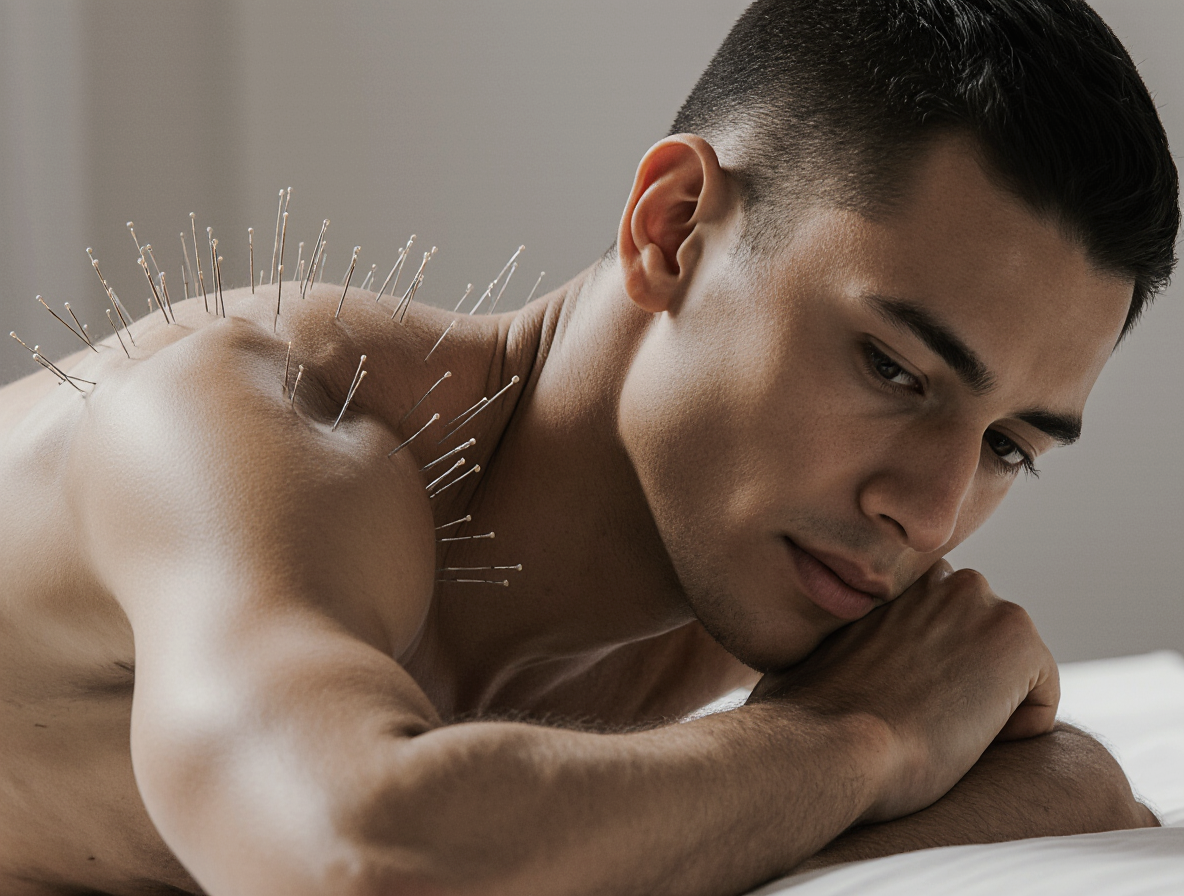
One overlooked benefit of acupuncture is its ability to release tension in tight muscles and restore mobility. By targeting trigger points in overworked areas — such as hamstrings, shoulders, or lower back — it can increase range of motion and flexibility.
This translates into improved technique, reduced stiffness, and fewer overuse injuries. Acupuncture also supports fascial release, helping muscles move more freely during high-performance activity.
Boosting Blood Circulation And Energy Flow
Every athlete knows the importance of circulation. Acupuncture enhances microvascular blood flow, improving oxygen delivery and waste removal in tissues.
Research has shown that stimulating certain acupuncture points increases local nitric oxide production, leading to vasodilation and better perfusion. In TCM terms, this means Qi is moving smoothly — translating into more balanced, sustained energy levels during training.
Pain Management And Injury Prevention
Chronic pain and repetitive strain are common barriers for athletes. Acupuncture provides drug-free pain management, reducing inflammation and calming irritated nerves.
It’s often used to treat conditions like tendinitis, IT band syndrome, runner’s knee, and lower back pain. By addressing pain early, athletes can prevent compensatory movement patterns that lead to larger injuries down the line.
Regular acupuncture can also improve proprioception — the body’s awareness of its position in space — helping athletes maintain better form and reduce accidental injuries.
Improving Mental Focus And Stress Response
Acupuncture doesn’t just heal the body — it also calms the mind. By regulating cortisol levels and stimulating the parasympathetic nervous system, acupuncture helps athletes maintain composure under pressure.
This mental clarity and focus are especially valuable in competitive environments where decision-making and reaction time determine success. It’s why many athletes book sessions before major competitions to improve concentration and confidence.
Enhancing Sleep And Hormonal Balance
Sleep is the cornerstone of athletic recovery. Studies suggest acupuncture can increase melatonin levels and improve sleep quality by helping the body transition into deeper, restorative sleep cycles.
Balanced hormones also contribute to faster muscle growth and repair, making acupuncture a subtle but powerful ally for endurance and strength athletes alike.
Scientific Evidence And Clinical Studies
Multiple peer-reviewed studies support acupuncture’s role in sports performance:
- A 2019 Frontiers in Physiology meta-analysis reported improved strength recovery and reduced muscle soreness.
- A 2021 Journal of Sports Science & Medicine review showed measurable gains in flexibility, VO₂ max, and anaerobic threshold in athletes receiving regular acupuncture sessions.
- Research from Harvard Medical School found acupuncture increased blood flow and reduced pain sensitivity by altering nerve signal pathways.
While more research is needed to quantify long-term athletic performance improvements, the physiological benefits are clear.
Incorporating Acupuncture Into An Athlete’s Routine
For optimal results, athletes typically schedule acupuncture once a week during training cycles, and after major competitions for recovery.
Sessions usually last 30–45 minutes and may include electrical stimulation for deeper muscle activation. Athletes should always seek a licensed acupuncturist — ideally one experienced in sports therapy.
Combining acupuncture with proper nutrition, physiotherapy, hydration, and sleep maximizes performance outcomes.
Conclusion
Acupuncture isn’t just about needles — it’s about balance, precision, and performance.
By reducing pain, enhancing recovery, and improving mental focus, acupuncture offers a scientifically grounded, holistic edge to modern athletes.
When recovery is optimized, performance naturally follows.
If you have any questions about our article “How Acupuncture Can Improve Athletic Performance” or need an acupuncturist near you in Toronto, contact us at info@daoyiwellness.com or connect with us on social media.
FAQs
Is Acupuncture Safe For Athletes?
Yes, when performed by a licensed practitioner, acupuncture is very safe. It uses sterile, single-use needles and has minimal side effects.
How Soon Can I Expect Results?
Many athletes notice reduced soreness and better sleep after one or two sessions, but long-term benefits come with consistent treatment.
Can Acupuncture Replace Physiotherapy?
No — it complements physiotherapy. Together, they accelerate healing and improve mobility more effectively than either treatment alone.
Does Acupuncture Hurt?
The sensation is mild — often described as a tingling or dull ache. Most athletes find it relaxing once the needles are in place.
How Often Should Athletes Get Acupuncture?
For performance maintenance, weekly or bi-weekly sessions are ideal. During recovery from injury, more frequent sessions may be recommended.
Can Acupuncture Help With Sports Anxiety?
Yes. It helps regulate cortisol and serotonin, which reduces stress and improves mental clarity before competition.
Does Acupuncture Improve Strength Or Speed Directly?
Not directly — but it enhances recovery, reduces fatigue, and improves focus, which can indirectly boost performance metrics.
Is There Scientific Proof Acupuncture Works?
Yes. Numerous studies have demonstrated its benefits for pain reduction, inflammation control, and recovery time improvement.
Can Acupuncture Prevent Injuries?
By correcting muscular imbalances and improving circulation, acupuncture can reduce the likelihood of overuse and repetitive strain injuries.
Is Acupuncture Covered By Insurance In Canada?
Many Canadian extended health plans cover acupuncture performed by licensed practitioners. Always check your policy details first.